Why Fuvahmulah?
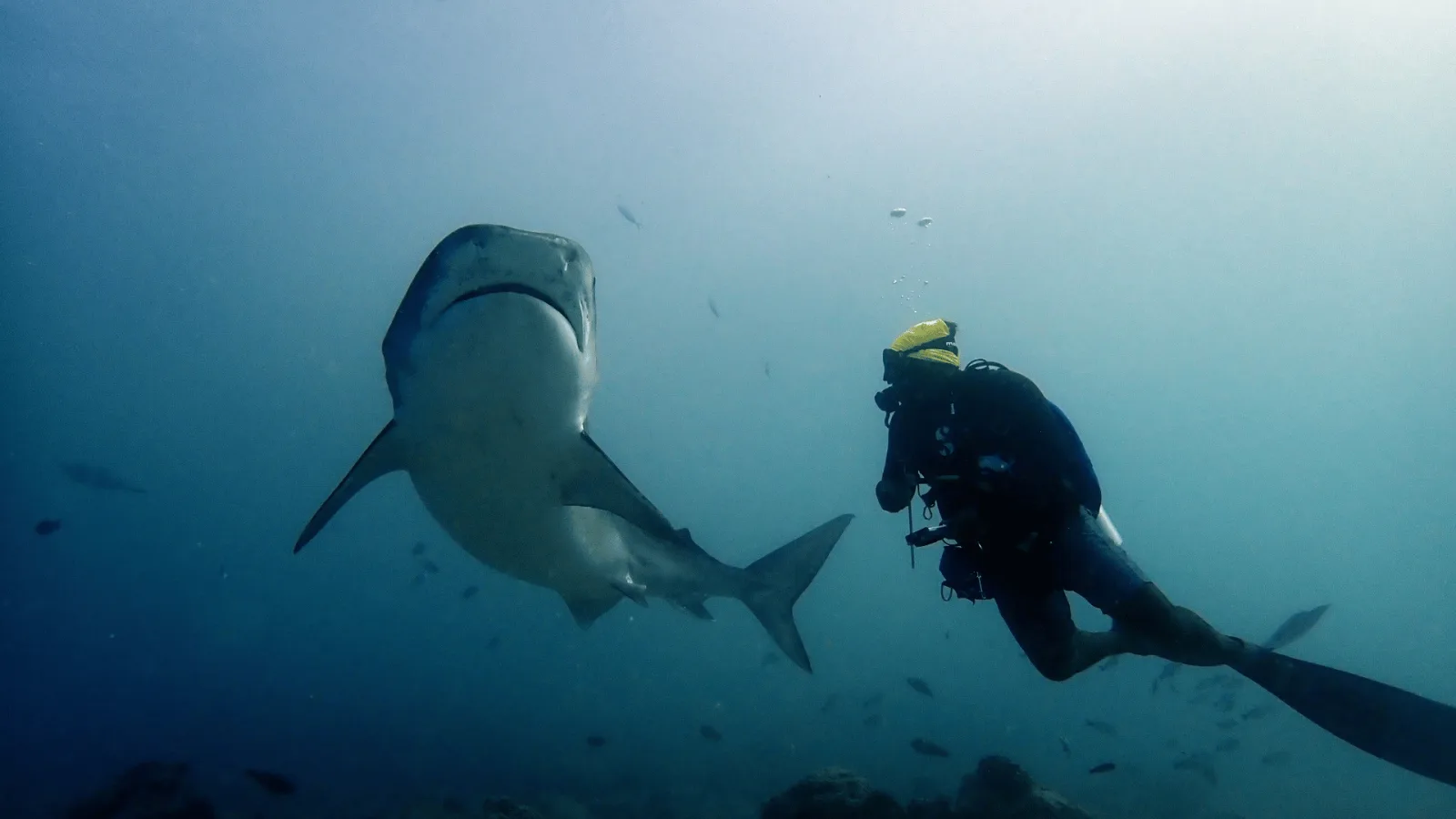
Can the question “Why Fuvahmulah?” really be answered in one sentence?
Perhaps not.
Fuvahmulah is an island in the middle of the Indian Ocean, just south of the Equator and approximately 450 km from Malé, the capital of the Maldives. It is the third-largest island in the Maldivian archipelago and a place with more than 1,000 years of history, culture and stories shaped by generations of seafarers.
What makes it even more special is how the island has grown. From a small community of around 100 people, Fuvahmulah is now home to approximately 15,000 residents. For generations, life here depended largely on what the island could provide—from its rich vegetation to the seemingly endless resources of the surrounding ocean.
And then there is the sea.
An Island Apart
Before local tourism was introduced to the Maldives in 2011, Fuvahmulah was accessible to only a small number of visitors. Most arrived aboard liveaboard safari vessels or through friends and family living on the island.
Those who did make the journey discovered something very different from the usual Maldivian experience.
Fuvahmulah became known for its incredible marine life, with spectacular sightings occurring both seasonally and throughout the year.
But the story of Fuvahmulah begins long before divers arrived.
A Lagoon That Became Lakes
Like many coral islands, Fuvahmulah has a fascinating geological history.
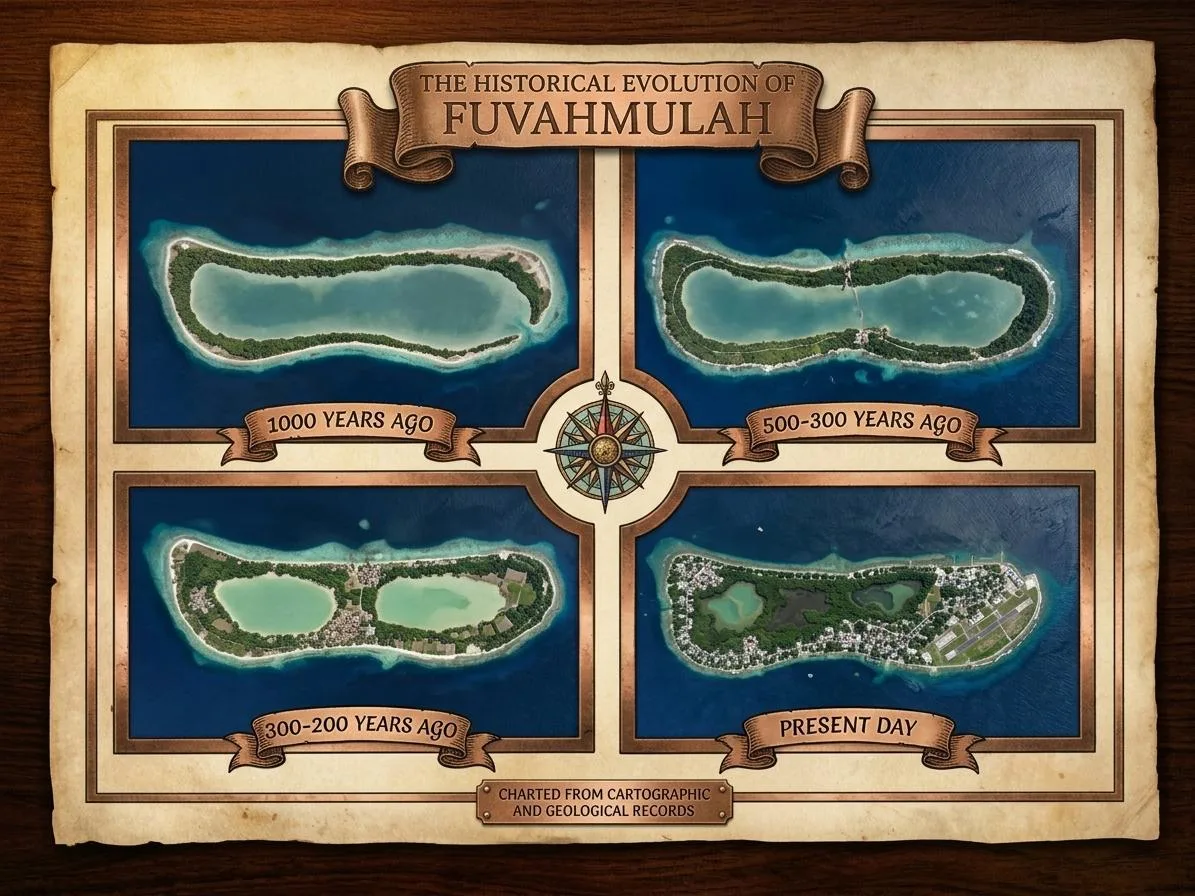
Scientific studies indicate that the island once formed part of an atoll, with a shallow lagoon inside the island thousands of years ago. A shallow channel once opened towards the southwest, in the area where the airport is located today.

Advertisement
Over time, the channel gradually closed as sand accumulated. What remained was a saltwater lagoon in the middle of the island.
Rainwater, filtered naturally through the island’s mangroves, slowly transformed the lagoon into freshwater. Today, that once-large lagoon has become two shallow freshwater lakes with muddy bottoms.
Storm waves also played an important role in shaping the island, building a high ridge of sand and pebbles along the coast where people eventually settled.
The lakes continue to support freshwater fish and migratory bird species. During periods of rough seas and bad weather, local fishermen have traditionally turned to these waters for fishing.
One of these lakes, Bandaara Kilhi, was classified as a biosphere reserve in 2020 and is protected by law.
Stories Written in Coral
The exact identity of Fuvahmulah’s earliest settlers remains uncertain. However, the ancestral history of the Maldives is connected to migrations from South India and Sri Lanka, long before Islam was embraced in the Maldives, when Buddhism was widely practised.
Fuvahmulah still preserves reminders of this ancient period.
Historical landmarks such as Havihtha, Genmiskiyh, Vashu Veyo and Kedeyre Miskiyh tell parts of the island’s story.
Havihtha, now largely buried beneath rocks, is believed to be the remains of a stupa. Vashu Veyo is a communal bathing area in the south of the island. Genmiskiyh was once a temple with its own communal bath and was later transformed into a mosque following the arrival of Islam.
Then there is Kedeyre Miskiyh, believed to be the island’s first purpose-built mosque.
What makes these structures even more remarkable is the material from which they were built—coral and lime collected from Fuvahmulah’s own reef.
The Galápagos of the Maldives
If the island’s history is fascinating, its underwater world is what truly makes Fuvahmulah famous.
The southern plateau of the island stretches approximately 2 km into the ocean. It is now recognised as a biosphere reserve and has become one of the most exciting diving destinations in the Maldives.
Often called “the Galápagos of the Maldives,” Fuvahmulah offers divers the opportunity to encounter an extraordinary variety of pelagic marine life.
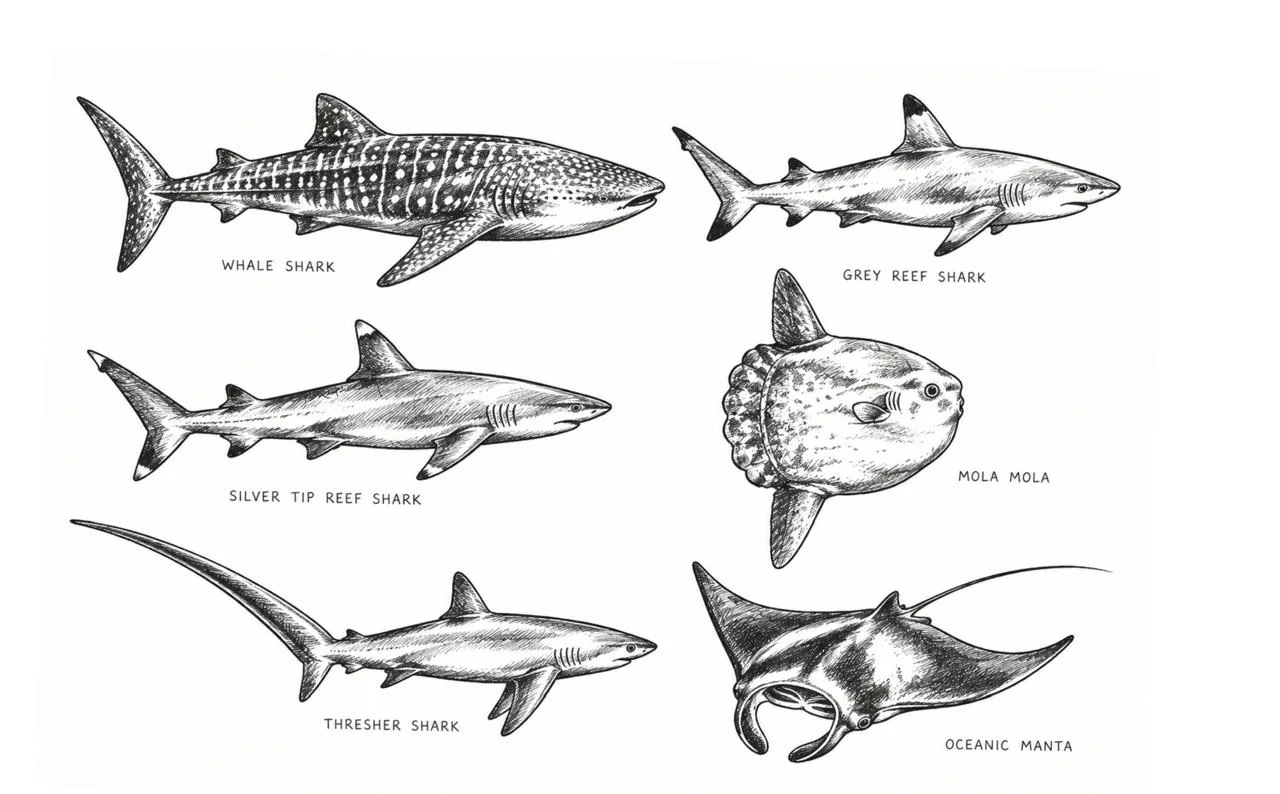
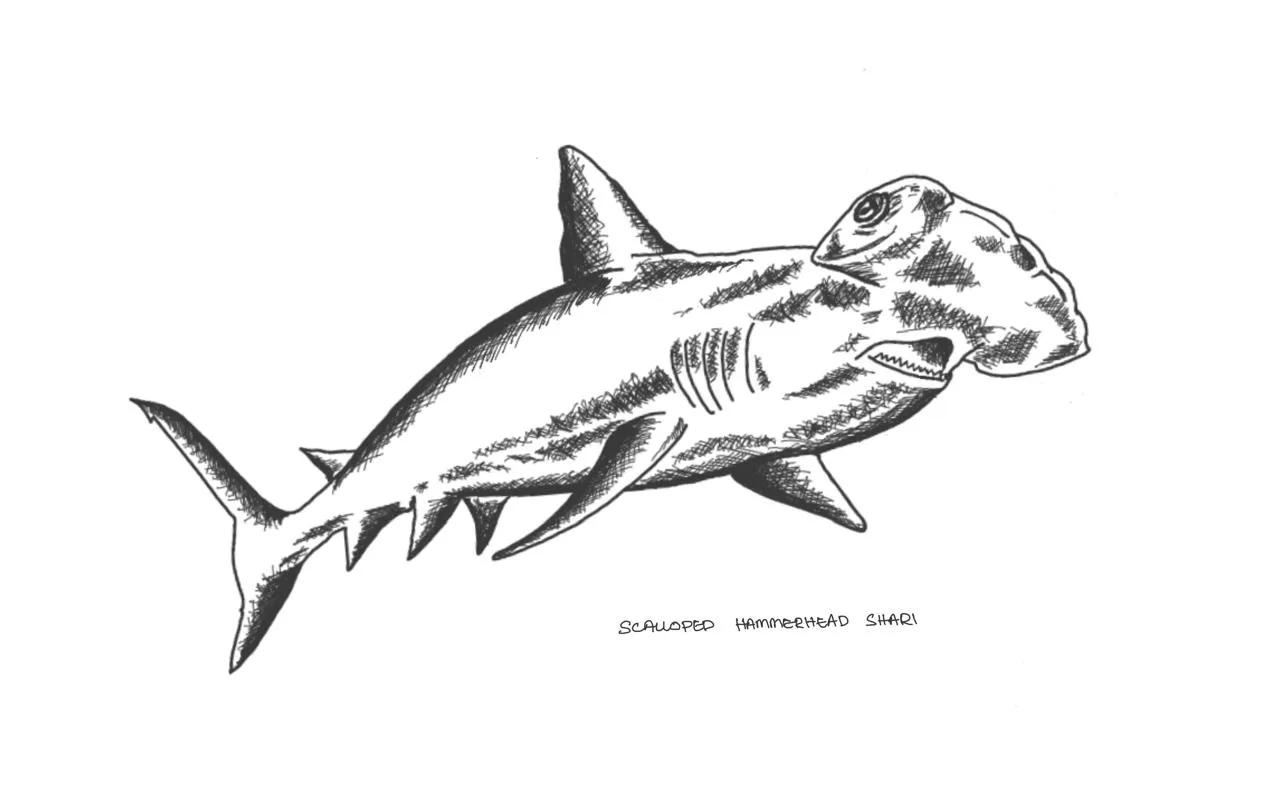
Depending on the season, divers may encounter scalloped hammerhead schools, oceanic manta rays, whale sharks, sand tiger sharks, mola mola, silvertip reef sharks and thresher sharks.
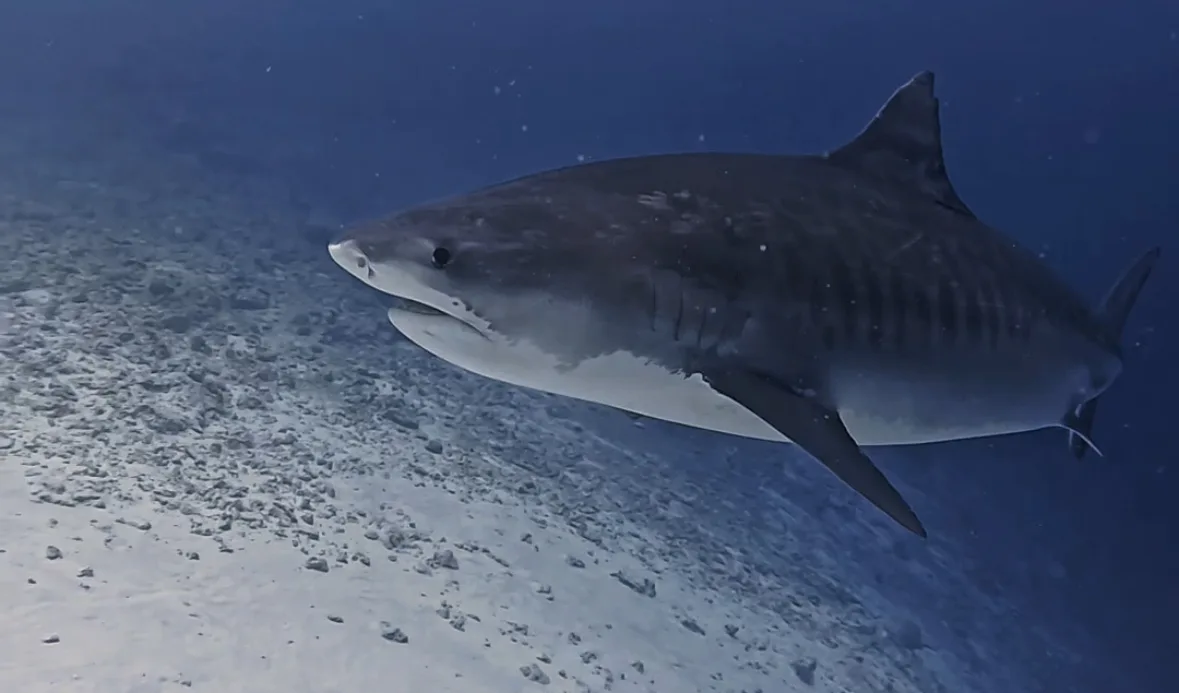
And then there are the encounters that can happen almost every day—grey reef sharks, whitetip reef sharks and the island’s notorious tiger sharks.
Around the island, colourful and relatively pristine coral formations provide a home for countless tropical reef fish and macro species. Over the years, whales, dolphins and even orcas have also been sighted in the surrounding waters.
Something for Every Explorer
Fuvahmulah is not only for experienced divers.
Some dive sites are best suited to experienced and advanced divers, while others can be enjoyed by divers with different levels of certification. Freedivers, snorkellers and even mermaids can also find their own way to experience the island’s underwater world.
Its diversity makes Fuvahmulah a wonderful place to learn, explore and develop a deeper appreciation for the ocean.
So, Why Fuvahmulah?
Can it really be answered in one sentence?
No.
How could one word explain an island with more than a thousand years of history, unique landscapes, ancient landmarks, freshwater lakes, local culture and one of the most remarkable marine environments in the Maldives?
Ask someone who has been lucky enough to experience Fuvahmulah, and you may find yourself listening to their stories for hours.
They will tell you about the island, the people, the ocean and the encounters they never expected.
And perhaps that is the best answer to “Why Fuvahmulah?”
It is a place where you can discover a culture, explore a remarkable marine world, experience something truly different—and leave as a storyteller.
Fuvahmulah isn’t simply a place you visit.
It’s a place you experience, and a story you take home.
Admin DeepNActive
09 October 2026